• Skip to main content
  • Available 24/7 (602) 900-9000

Law Offices of Samuel P. Moeller, PLLC

Your injury is personal to me.

  • English
    • English
    • Español
  • Practice Areas
    • Auto Accidents
    • Slip & Fall
    • Animal Bites
    • Wrongful Death
    • Motorcycle Accident
    • Trucking Accidents
  • About Us
    • Samuel P. Moeller Attorneys
    • Samuel P. Moeller Personal Injury Team
    • Reviews
    • Samuel P. Moeller Personal Injury Lawyer Blog
  • Contact Samuel P. Moeller Law Firm –
    • Areas We Serve
    • Samuel P. Moeller Phoenix Office Location
    • Personal Injury FAQs

Education

May 07 2024

Personal Injury Settlement Taxable Arizona

Insights from The Law Offices of Samuel P. Moeller

Have you just settled a personal injury claim and are now wondering about taxes on the settlement? The answer isn’t straightforward. However, with guidance from The Law Offices of Samuel P. Moeller, you can confidently understand the tax implications of your personal injury settlement.

Understanding Personal Injury Settlements 

Personal injury settlements compensate individuals who have been hurt by someone else’s carelessness or harmful actions. These settlements cover medical expenses, lost wages, long-term disabilities, or disfigurements, as well as non-economic damages like pain and suffering. The calculation of these settlements is complex, considering the severity of the injury, recovery prospects, and the overall impact on your life and future earnings. With such high stakes, having a skilled personal injury lawyer is crucial. They make sure all areas of compensation are considered, ensuring that the settlement you receive is fair and comprehensive.

The General Tax Rule for Personal Injury Settlements 

Generally, the IRS does not tax most personal injury settlements, meaning the compensation meant to return you to your pre-injury condition isn’t taxed. However, there are exceptions:

  • Punitive Damages: These are taxed because they are meant to punish the defendant, not compensate you for a loss.
  • Interest: If your settlement includes interest from the time the claim was filed to when it was settled, this interest is taxable.
  • Past Tax Deductions: If you deducted medical expenses on your taxes and then got reimbursed for those same expenses in your settlement, you might need to declare that reimbursement as taxable income.

To handle these complexities, it’s wise to consult a tax professional who can provide advice tailored to your specific situation. This, combined with legal advice, can help optimize the financial outcome of your settlement.

The Importance of Proper Documentation and Legal Guidance 

Keeping detailed records is vital. This includes all receipts, invoices, medical records, proof of lost income, and communications with insurers or other parties. Proper documentation supports your claim and is essential for addressing any tax issues that might arise.

The expertise of an experienced personal injury lawyer is equally important. Attorneys like those at The Law Offices of Samuel P. Moeller can accurately evaluate your damages, negotiate with insurers, and ensure your settlement is structured in a tax-advantageous way. They can also guide you in managing the financial aspects of your compensation, helping you meet any tax obligations and facilitating a smoother recovery.

By maintaining thorough records and working with a knowledgeable lawyer, you can face any legal or tax challenges confidently, making sure your settlement supports your recovery and healing effectively.

In conclusion, understanding the tax implications of a personal injury settlement can be complex, but it’s an essential part of ensuring that you receive the full benefits you are entitled to without unwanted surprises. Armed with comprehensive documentation and guided by the seasoned expertise of a personal injury lawyer, you can navigate the intricacies of your settlement effectively. By doing so, you not only safeguard your financial future but also ensure that your recovery process is as smooth and unencumbered as possible. Remember, the right legal and financial advice is key to maximizing the positive impact of your settlement and helping you move forward after an injury.

Is Your Personal Injury Claim Settlement Taxable? Insights from The Law Offices of Samuel P. Moeller

[forminator_form id=”169″]

Written by Samuel P. Moeller · Categorized: Education

Apr 22 2024

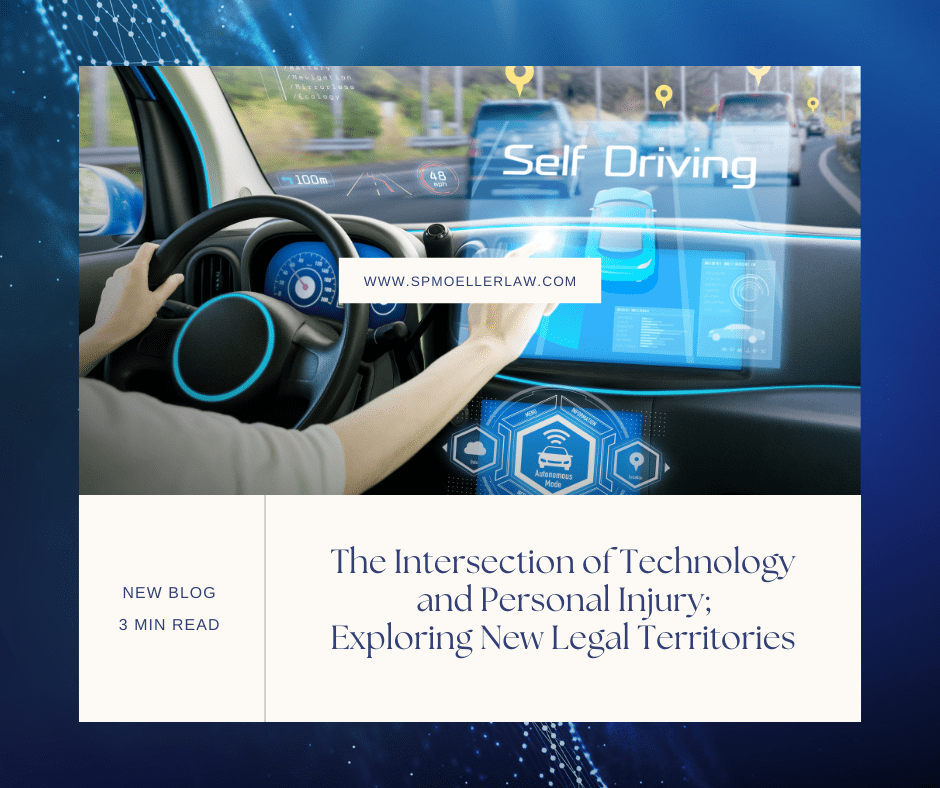
The Intersection of Technology and Personal Injury: Exploring New Legal Territories

The Intersection of Technology and Personal Injury: Exploring New Legal Territories

In today’s world, technology has integrated into every aspect of our lives, propelling advancements and creativity at an unprecedented rate. With the increasing integration of technologies like self-driving cars, drones, and electric scooters in our lives, the field of personal injury law is also experiencing a shift. The Law Offices of Samuel P. Moeller are actively engaging with the challenges posed by these emerging technologies.

Self-Driving Cars: A Fresh Perspective on Accountability

The introduction of self-driving cars was heralded as a step toward roads and reduced traffic incidents. However, as these vehicles become more prevalent, they bring forth hurdles, especially in the realm of personal injury cases. When an autonomous vehicle is involved in an accident, determining liability becomes notably intricate. Should the manufacturer be held accountable for any software or hardware malfunctions? Does the responsibility fall on the passenger for not intervening? Our firm excels in addressing these types of queries to ensure that victims involved in incidents receive fair treatment and appropriate compensation.

Drones: Legal Battles, in the Sky

Drones have become a sight, used for purposes like capturing photos and making deliveries. However, with their increased usage comes a risk of accidents. Incidents involving drones can lead to injuries from collisions with people or property, raising concerns about operator responsibility, manufacturer accountability, and airspace rules. Understanding the complexities of drone use requires knowledge of personal injury laws and drone regulations, an area in which the Law Offices of Samuel P. Moeller excel.

E Scooters: Balancing Act in Urban Travel

E-scooters have gained popularity as a green transportation option in cities. Yet their rise has also brought an uptick in accidents posing challenges related to injury cases. Questions of negligence, product responsibility, and city regulations all play a role in shaping the landscape around e-scooters. Our firm is dedicated to safeguarding the rights of those injured in e-scooter incidents by seeking compensation and holding those responsible for these accidents accountable.

Charting the Path Ahead Together

As technology progresses, so do the legal hurdles it presents.

The Law Offices of Samuel P. Moeller is focused on staying up to date with personal injury law, ensuring our clients receive top-notch legal representation in this ever-changing field. Whether it’s accidents involving self-driving cars, drones, electric scooters, or other new technologies, our firm is ready to handle these matters and stand up for those harmed by the latest advancements in technology. 

The Intersection of Technology and Personal Injury: Exploring New Legal Territories

[forminator_form id=”169″]

Written by Samuel P. Moeller · Categorized: Education

Apr 12 2024

The Importance of Holding Property Owners Accountable; Exploring Premises Liability Cases

Premises liability cases hold importance in the realm of personal injury law. These legal matters revolve around incidents occurring due to hazards on someone’s Property, such as slip-and-fall accidents, inadequate security leading to assaults or thefts, and other potential dangers that could harm visitors or customers. In this blog post, we will delve into the intricacies of premises liability law, examining the obligations placed on property owners and the repercussions faced by individuals injured on another’s premises.

Understanding Property Owner’s Duties

An aspect of premises liability cases is the concept of duty of care. Property owners are required to maintain an environment for visitors and customers. This entails taking measures to prevent accidents and informing individuals about any known hazards.

Slip and Fall Incidents: A Widespread Issue

Amongst the scenarios in premises liability cases are fall accidents. These incidents may occur due to floors, uneven surfaces, poor lighting, or other hazardous conditions. While property owners cannot entirely eradicate accidents, they are expected to address identified risks and implement measures to reduce the likelihood of mishaps.

In slip-and-fall lawsuits, proving that the property owner was aware of the danger or should have been aware is crucial. This may involve gathering evidence such as security footage, maintenance logs, and eyewitness accounts to demonstrate the property owner’s negligence.

Insufficient Security Measures: Ensuring Safety

Another aspect of premises liability law arises when individuals are injured due to security measures at a location. Property owners, those running businesses for the public, are responsible for maintaining a reasonably safe environment. This includes implementing security measures to prevent crimes like assaults or thefts.

If inadequate security results in harm, victims may have grounds to hold the property owner accountable. Examples could include surveillance cameras, lack of lighting in parking areas, or a shortage of security personnel.

Navigating Premises Liability Claims

Navigating premises liability cases can be difficult and requires an understanding of legal principles and the specific events that transpired. Individuals injured on another person’s property should take steps to safeguard their rights and seek compensation for their injuries;

Seek Medical Attention: Prioritizing medical care is paramount. 

Seeking assistance not only aids in recovery but also creates a documented record of the incident. Remember to take photos and gather contact details of witnesses, if possible, after an accident occurs. It’s important to inform the property owner about the incident and request them to create a report, ensuring you obtain a copy for your records. Seeking advice from a personal injury attorney is crucial in premises liability cases as these situations can be complex and require expertise. Consulting with a lawyer specializing in injuries can provide guidance on pursuing compensation.

In premises liability cases, various issues such as slips, falls, and security concerns are addressed. Property owners are responsible for maintaining an environment for visitors and customers. If an accident occurs due to negligence on the part of the property owner, victims may be entitled to seek compensation for their injuries. If you or someone you know has been injured on another person’s property, it is advisable to consult with a personal injury lawyer. Holding property owners accountable for their oversights can contribute to enhancing safety standards for everyone involved.

The Importance of Holding Property Owners Accountable

[forminator_form id=”169″]

Written by Samuel P. Moeller · Categorized: Education

Apr 04 2024

Social Host Liability, in Alcohol-Related Accidents; A Comprehensive Overview

Alcohol-related incidents can lead to repercussions affecting not only those directly involved but also individuals who could be held accountable under the law. Within the realm of personal injury law, a significant focus area is social host liability. This legal concept deals with situations where injuries result from alcohol consumption provided by a host or an establishment serving alcohol. In this blog post, we will delve into the details of social host liability, examining the complexities, discussions, and legal aspects surrounding it.

Understanding Social Host Liability

Social host liability refers to the obligation of individuals or establishments that furnish alcohol to guests or patrons who subsequently cause harm to themselves or others because of alcohol-induced impairment. This concept goes beyond ideas of liability related to accidents caused by driving and encompasses a wider range of scenarios involving alcohol consumption.

Key Topics for Discussion

One key issue in social host liability cases revolves around determining whether the host or establishment had a duty of care, towards the injured party.

The responsibilities in this situation can vary based on factors like the relationship between the host and guest, the predictability of harm, and state-specific regulations.

Predictability: Courts typically consider whether the harm caused by alcohol consumption was foreseeable to the host or establishment. If it’s reasonable to expect that providing alcohol could result in harm the duty of care might be increased.

Underage Drinking: Issues involving drinkers add layers of complexity as both social hosts and establishments could be held accountable for serving alcohol to minors regardless of their awareness of their age.

Dram Shop Laws: Certain areas have established dram shop laws that make establishments accountable for injuries caused by patrons. These laws might impose liability. Require evidence of negligence from the establishment.

Legal Considerations: Handling cases related to social host liability demands a grasp of laws, precedents, and legal concepts. Personal injury lawyers specializing in this field must carefully examine the circumstances surrounding the incident, determine liability, and advocate for their clients’ rights.

Social host liability is an area of personal injury law that continues to spark debate and undergo changes through disputes and legal actions shaping its boundaries. 

Alcohol-related incidents continue to present dangers to individuals and communities, making it crucial for both hosts and establishments serving alcohol to understand the aspects of social host liability. Keeping informed and seeking advice when needed can help individuals reduce risks and fulfill their responsibilities.

If you or someone close to you has suffered injuries in an alcohol-related incident, it’s important to seek guidance from professionals who can offer personalized support and representation. The team at the Law Offices of Samuel P. Moeller are dedicated to standing up for victims of negligence and ensuring accountability for those for alcohol-related harm. Reach out to us today for a consultation.

Social Host Liability, in Alcohol-Related Accidents; A Comprehensive Overview

[forminator_form id=”169″]

Written by Samuel P. Moeller · Categorized: Education

Mar 25 2024

Wrongful Death Claims Arizona Legal Path

Losing a cherished family member is an ordeal no one should endure. When that loss is the consequence of another party’s negligence or wrongdoing, the grief can be compounded by a profound sense of injustice. In such circumstances, pursuing a wrongful death claim becomes a crucial step towards holding responsible parties accountable and finding a semblance of closure for the grieving family. In this article, we’ll delve into the legal journey involved in pursuing a wrongful death claim.

Defining Wrongful Death

Before diving into the legal complexities, it’s crucial to understand the concept of wrongful death. Wrongful death transpires when an individual’s death is caused by the negligent, reckless, or intentionally harmful actions of another individual or entity. This encompasses a broad spectrum of scenarios, including but not limited to car accidents caused by intoxicated driving, defective products, workplace mishaps, or criminal acts.

Eligibility to File a Wrongful Death Claim

In the United States, wrongful death claims are governed by state laws, which dictate who is eligible to file such claims. Typically, the following parties may have the right to file a wrongful death claim:

  1. Immediate Family Members: Spouses, children, and parents are usually the primary beneficiaries entitled to file a wrongful death claim. Some states may extend this right to siblings or other dependents.
  2. Estate Representative: In cases where the deceased lacks immediate family members, or they are unable or unwilling to pursue a claim, the personal representative of the deceased’s estate can file on behalf of the estate and its beneficiaries.

The Legal Process Unveiled

  1. Investigation: The initial step in pursuing a wrongful death claim involves conducting a meticulous investigation to gather evidence establishing liability. This may entail obtaining police reports, medical records, witness statements, and expert opinions to construct a compelling case.
  2. Initiating the Claim: Following the accumulation of sufficient evidence, the subsequent step is to lodge a wrongful death lawsuit in civil court. This typically entails drafting a complaint delineating the specifics of the wrongful death, the defendant’s negligence or misconduct, and the damages sought.
  3. Discovery: During the discovery phase, both parties engage in exchanging evidence and pertinent information. This could include depositions, interrogatories, and requests for documents.
  4. Negotiating Settlements: In numerous instances, the involved parties may endeavor to reach a settlement through negotiations, mediation, or arbitration. If an equitable settlement proves elusive, the case proceeds to trial.
  5. Trial: In a trial, it is imperative that both parties confidently and convincingly present their arguments and evidence to a judge and/or jury. Subsequently, the jury deliberates to determine whether the defendant bears liability for the wrongful death and, if so, the quantum of damages to be awarded.

Recoverable Damages

When a loved one passes away as a result of the actions of another party, it’s important to know that wrongful death claims can provide compensation for various losses suffered by surviving family members, including:

  1. Medical Expenses: Covering any medical costs incurred as a result of the deceased’s final injury or illness.
  2. Funeral and Burial Costs: Compensating for costs linked to the funeral, interment, or cremation of the deceased.
  3. Loss of Income: Compensating for the income the deceased would have earned had they survived.
  4. Loss of Consortium: Addressing the loss of companionship, guidance, and support experienced by surviving family members.
  5. Pain and Suffering: Providing compensation for the physical and emotional anguish endured by the deceased prior to their demise.

Conclusion

Wrongful death claims epitomize intricate legal proceedings that necessitate adept navigation and expert legal counsel. Although monetary compensation cannot completely alleviate the anguish of losing a loved one, seeking a wrongful death claim can offer a degree of justice and financial security to surviving family members. When pursuing a wrongful death claim, it’s crucial to seek guidance from a knowledgeable attorney who can steer you through the process and advocate for the restitution you deserve.

Client Trust

[forminator_form id=”169″]

Written by Samuel P. Moeller · Categorized: Education

  • « Go to Previous Page
  • Page 1
  • Page 2
  • Page 3
  • Page 4
  • Interim pages omitted …
  • Page 8
  • Go to Next Page »

Copyright © 2026 Law Offices of Samuel P. Moeller, PLLC. All Rights Reserved. Privacy Policy

  • Home
  • Call Now
  • Free Personal Injury Consultation